As vehicle technology continues to evolve, more drivers are becoming curious about how hybrid systems actually function. If you have been searching for a trusted Philadelphia, PA auto repair provider that understands modern hybrid engineering, you are not alone. Hybrid powertrains combine traditional internal combustion engines with electric motors, creating a sophisticated system designed to improve efficiency, reduce emissions, and enhance overall performance.
At Schafer’s Auto Center, we believe understanding how your vehicle operates leads to better long term reliability. Hybrid vehicles are not simply gas engines with a battery attached. They are carefully engineered systems where mechanical and electrical components work together seamlessly. When properly maintained, they offer smooth acceleration, impressive fuel economy, and dependable everyday performance.
How Hybrid Powertrains Work Together
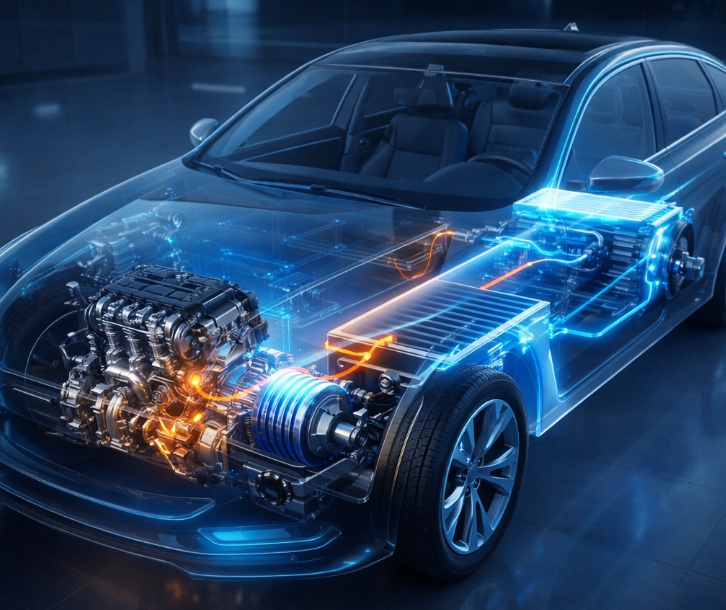
A hybrid powertrain uses two primary energy sources: a gasoline engine and one or more electric motors powered by a high voltage battery pack. Depending on driving conditions, the system determines which power source to prioritize.
At low speeds or during light acceleration, the electric motor may operate independently. This reduces fuel consumption and lowers emissions. When additional power is needed, such as merging onto a highway, the gasoline engine engages and works in tandem with the electric motor. This coordinated effort provides balanced performance without sacrificing efficiency.
Regenerative braking plays a critical role as well. Instead of losing energy as heat during braking, the system captures kinetic energy and converts it into electricity to recharge the battery. This constant energy recycling contributes to the overall effectiveness of hybrid systems.
Key Components That Drive Hybrid Performance
Hybrid vehicles rely on a network of interconnected components that require precise calibration. The high voltage battery pack stores electrical energy, while the inverter converts direct current into alternating current to power the motor. The power control unit manages communication between the engine, electric motor, and battery system.
Transmission systems in hybrids are also uniquely engineered. Many use electronically controlled continuously variable transmissions designed to optimize efficiency under varying loads. As explained in our discussion on the evolution of transmission technology, these systems are built to adapt seamlessly to modern power demands.
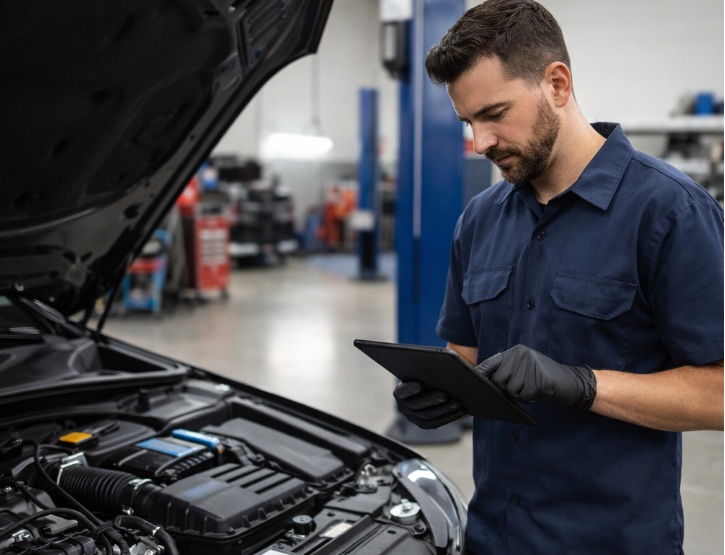
Because hybrid systems integrate advanced electronics with mechanical components, accurate diagnostics are essential when concerns arise. Identifying irregularities early helps maintain balanced performance across all systems.
Common Hybrid Maintenance Considerations
Although hybrids are known for efficiency, they still require routine service. Oil changes, cooling system inspections, and brake system evaluations remain important. In fact, because regenerative braking reduces wear on traditional brake components, drivers may notice longer intervals between brake services.
Mid system inspections often focus on electrical connections, battery cooling systems, and software calibration. During a professional hybrid diagnostic evaluation, technicians assess warning indicators, performance irregularities, and battery management functions to ensure everything operates within factory specifications.
Here are common hybrid service checkpoints:
- High voltage battery health assessment
- Cooling system performance check
- Regenerative braking function test
- Electrical connection inspection
- Software system scan for fault codes
Regular evaluations support consistent performance and reduce the likelihood of unexpected interruptions.
Addressing Concerns About Hybrid Longevity
Some drivers worry about battery lifespan and replacement intervals. Modern hybrid battery systems are engineered for durability, often lasting many years under normal driving conditions. Proper thermal management and software calibration help extend battery performance.
Early detection of irregular charging patterns or overheating concerns protects both the battery pack and associated components. As highlighted in our article on advanced diagnostic tools, modern scanning equipment allows technicians to identify minor issues before they affect overall drivability.
Hybrid systems also benefit from consistent driving habits and scheduled maintenance. When cared for properly, they offer a reliable blend of efficiency and power that suits both city and highway travel.
Frequently Asked Questions About Hybrid Systems
Do hybrids require special maintenance?
They require many of the same services as traditional vehicles, along with periodic electrical system evaluations.
Is regenerative braking reliable?
Yes. It is designed to reduce wear on brake components while improving battery efficiency.
What happens if the hybrid battery weakens?
Diagnostic testing identifies performance changes early, allowing for informed service decisions.
Are hybrid vehicles safe to service?
When handled by trained technicians using proper procedures, hybrid systems can be safely maintained and repaired.
Understanding how hybrid powertrain’s function helps drivers feel confident in their vehicle’s long term performance. By combining electric innovation with proven engine technology, these systems deliver balanced efficiency and reliability. At Schafer’s Auto Center, we are committed to helping drivers navigate evolving vehicle technologies with clarity and expertise. If you are seeking knowledgeable care for Philadelphia, PA auto repair, our experienced professionals are ready to provide comprehensive support backed by our dedication to our team experience. Quick & Efficient Service, Every Time.