When drivers start comparing Philadelphia auto repair shops, one of the most common comfort complaints we hear is that the air conditioning suddenly stops keeping the cabin cool. In many cases, the problem starts small. Air may feel a little warmer than usual, airflow may seem weaker, or the system may cool only once the car has been moving for a while. Because the AC system works as a group of connected parts, even one worn or failing component can affect overall performance.
That is why it helps to understand what your vehicle may be trying to tell you before the problem grows into a larger repair. In the middle of that process, Schafer’s Auto Center focuses on making things easier for drivers by explaining what is happening, checking the full system, and looking out for related concerns that could affect comfort, safety, and long-term reliability. A good repair visit should leave you informed, not guessing.
Low Refrigerant Can Reduce Cooling Fast
One of the most common reasons a car AC system stops working is low refrigerant. Refrigerant is the substance that moves through the system and removes heat from the cabin air. If the level drops, the system cannot cool effectively, and you may notice air that feels mildly cool at best or completely warm on hot days.
Low refrigerant usually points to a leak rather than normal use alone. Seals, hoses, fittings, and other connections can wear down over time. When that happens, simply adding more refrigerant may not solve the issue for long. The leak must be found and corrected first. This is also why a full inspection matters. A weak AC system may be tied to a bigger pattern of delayed maintenance, which is one reason regular checkups and preventative auto care for trouble-free driving can help catch smaller issues before they interrupt everyday driving.
A Faulty Compressor Can Shut the System Down
The compressor is the heart of the air conditioning system. It pressurizes refrigerant and keeps it moving through the AC components. If the compressor fails, the system can no longer do its job properly. Sometimes the compressor stops engaging altogether. Other times it may make unusual noises, cycle too often, or struggle to maintain steady cooling.
Compressor problems can be caused by wear, contamination, low refrigerant, or electrical faults. In some vehicles, drivers first notice the issue as inconsistent cooling, especially in traffic or during longer trips. Because compressor failure can affect other components, accurate diagnosis matters. A thorough inspection of the air conditioning system helps determine whether the problem is mechanical, electrical, or related to refrigerant flow, which can save time and prevent unnecessary parts replacement.
Electrical Problems Can Interrupt AC Performance
Modern vehicle AC systems depend on more than hoses and refrigerant. They also rely on sensors, switches, relays, wiring, and control modules. If one electrical connection fails, the entire system may stop responding the way it should. This is especially frustrating because the issue may seem random. The air may work one day, then blow warm the next.
Blown fuses, damaged wiring, failing pressure switches, or sensor errors can all keep the compressor from turning on or cause the fans to work improperly. In some cases, the dashboard controls may appear normal while the system itself is not responding. That is why guessing rarely helps. A proper evaluation checks whether the problem is with the controls, the power supply, or the components receiving the signal. When the root issue is identified early, repairs are often more direct and less disruptive.
Blocked Airflow Can Make a Good System Feel Bad
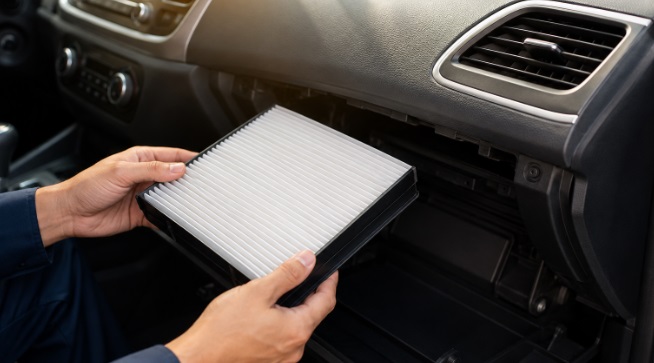
Sometimes the AC system is producing cold air, but that air is not reaching the cabin the way it should. A clogged cabin air filter, failing blower motor, or blocked ventilation path can make it seem like the AC has stopped working when the actual problem is airflow. If the vents barely push air, or if some vents work better than others, airflow restrictions may be to blame.
This is also where comfort and visibility overlap. Reduced airflow can affect window clearing and make the cabin feel humid or stuffy. Drivers may assume the refrigerant is low when the actual issue is inside the ventilation side of the system. Blend door problems can create similar symptoms by preventing the system from directing air properly. In other words, the temperature issue you feel may be tied to airflow control rather than cooling output alone. Looking at the whole system gives a clearer answer than focusing on one symptom.
Heat and Wear Can Expose Hidden Problems
Air conditioning systems often fail when they are needed most. A weak seal, aging hose, tired fan motor, or worn clutch may hold on for a while, then show clear symptoms during the hottest part of the year. That sudden loss of cooling can feel unexpected, but the wear usually builds over time. Stop and go driving, heavy summer use, and long idle periods can all add stress to the system.
That is why seasonal inspections matter. We often find that an AC concern is not just about cold air. It can also point to overall vehicle condition, including fan performance, belt condition, and related cooling system function. Schafer’s Auto Center takes that broader view because drivers benefit when we check beyond the obvious complaint. If your cabin air is getting warmer, weaker, or less consistent, now is the right time to act. Among Philadelphia auto repair shops, we believe clear answers and reliable service matter most, so see how our team works and schedule maintenance or repairs now.