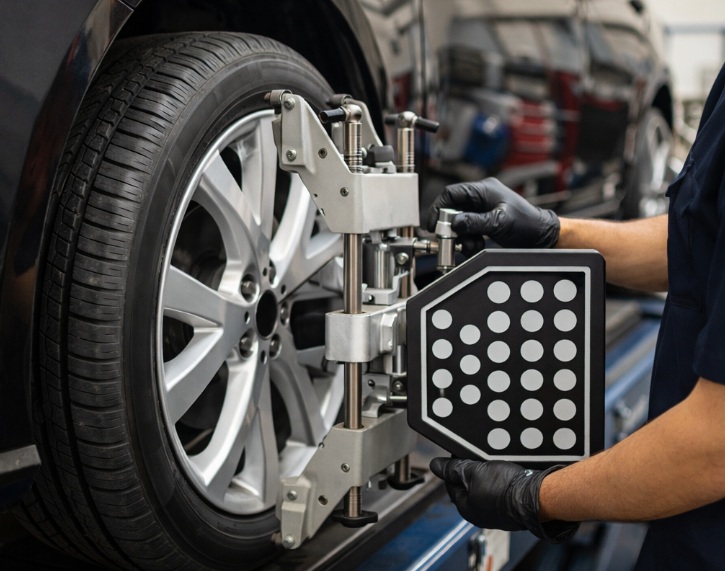
Vehicle handling, ride comfort, and suspension health are closely connected, yet alignment is often overlooked until noticeable problems appear. Drivers searching for a Philadelphia, PA auto repair shop often come to us after uneven tire wear or steering issues begin affecting daily driving. Alignment plays a critical role in how your suspension responds to the road, and when angles drift out of spec, stress spreads quickly across multiple components.
A well-aligned vehicle tracks straight, responds predictably, and protects suspension parts from unnecessary strain. When alignment is off, even slightly, the suspension compensates in ways it was never designed to handle long term. Understanding how alignment supports suspension health helps drivers make informed decisions that keep their vehicles stable and comfortable over time.
At Schafer’s Auto Center, we approach alignment as a precision service rather than a routine adjustment. Suspension systems are interconnected, and correcting alignment helps restore balance across steering, tires, and suspension components. This mindset allows us to focus on longevity, safety, and consistent performance instead of short-term fixes.
How Alignment Directly Affects Suspension Health
Suspension systems are built to absorb impact and maintain tire contact with the road. Alignment determines how wheels sit relative to each other and the vehicle frame. When those angles shift, suspension parts such as struts, control arms, and bushings experience uneven forces.
Over time, this imbalance accelerates wear. Drivers may notice a rougher ride, drifting while driving straight, or increased vibration. Proper alignment helps distribute load evenly, allowing suspension components to function as intended and reducing unnecessary stress during everyday driving.
Subtle Signs Your Alignment May Be Off
Alignment issues rarely announce themselves loudly at first. Many drivers adapt without realizing something has changed. A steering wheel that no longer centers itself, a vehicle that pulls slightly, or tires wearing faster on one edge are all common indicators.
Paying attention to these signs supports smarter maintenance decisions. Patterns similar to those discussed when evaluating honest repair choices often reveal how small handling changes can signal larger concerns beneath the surface. Recognizing early symptoms helps prevent suspension damage that becomes more disruptive later.
Why Precision Matters With Modern Vehicles
Today’s vehicles rely on tighter tolerances and advanced suspension designs. Even minor alignment deviations can affect electronic steering systems, traction control, and stability features. Precision is no longer optional, it is essential.
Professional wheel alignment service focuses on manufacturer specifications and real-world driving conditions. When alignment is calibrated accurately, suspension movement remains controlled, steering input feels natural, and tires maintain consistent road contact. This precision supports smoother handling and helps preserve the integrity of connected systems.
The Connection Between Tires, Steering, and Suspension
Alignment sits at the intersection of tires, steering, and suspension. When alignment is off, tires scrub against the road surface, steering components compensate, and suspension parts absorb uneven forces. Each system affects the others.
Keeping alignment accurate allows these systems to work together instead of against each other. Tires wear evenly, steering remains responsive, and suspension components move through their intended range. This harmony improves overall drivability and helps vehicles feel stable across different road conditions.
Long-Term Benefits of Staying Aligned
Consistent alignment care supports predictable performance and reduces unexpected handling issues. Drivers often report smoother rides, improved steering confidence, and fewer concerns during routine driving. Over time, suspension components benefit from reduced strain, which helps maintain ride quality.
Staying proactive also simplifies future maintenance decisions. When alignment is correct, technicians can more easily identify true suspension wear rather than symptoms caused by misalignment. This clarity supports better planning and fewer surprises down the road.
Protecting your suspension starts with precision and attention to detail. Schafer’s Auto Center focuses on alignment care that supports long-term vehicle stability and confident handling. If maintaining control, comfort, and suspension health matters to you, learning more about our approach to vehicle care is a natural next step, and we are always ready to help keep your vehicle driving the way it should.