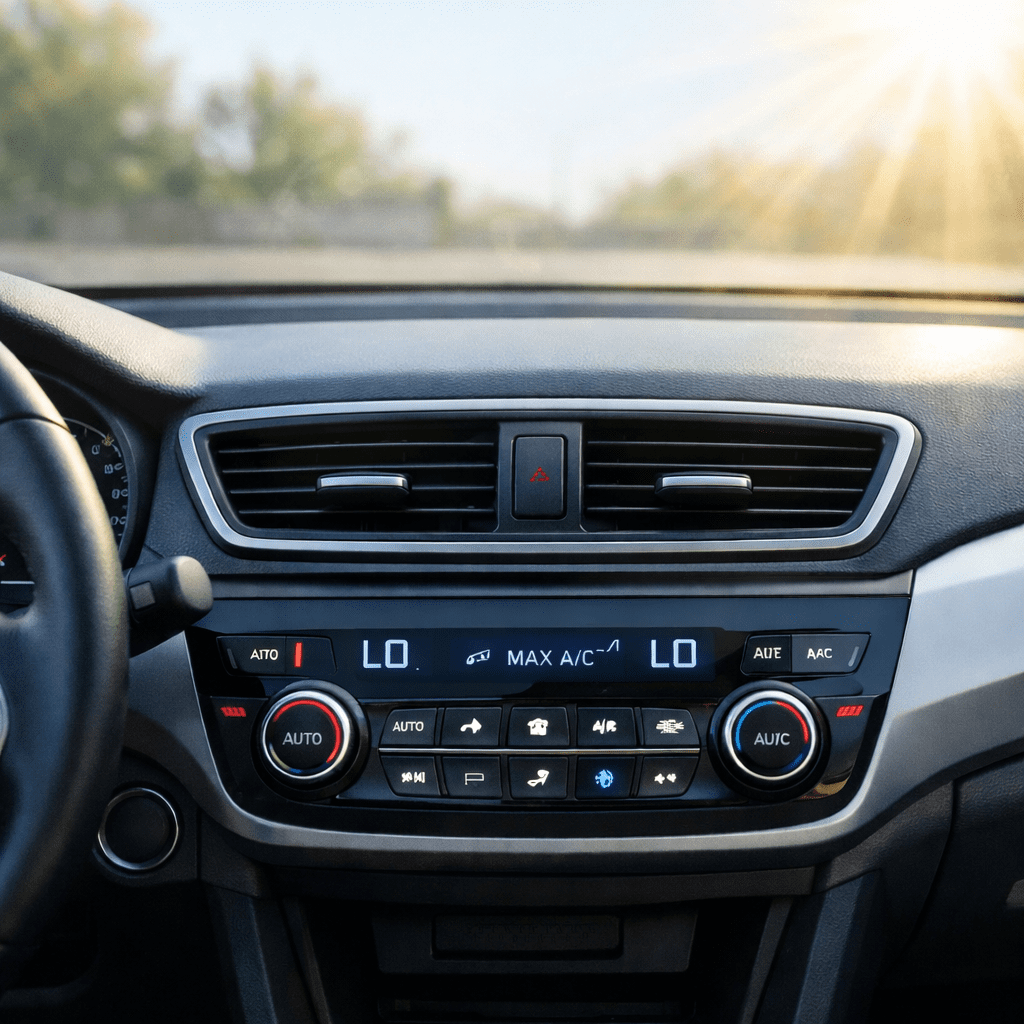
When drivers start searching for Philadelphia auto repair shops, it is because their vehicle’s comfort has changed without warning. One of the most common seasonal complaints we hear involves air conditioning systems that worked fine last year but struggle when temperatures rise again. Cooling loss rarely happens overnight. It usually builds slowly as weather shifts, usage increases, and small system weaknesses begin to show.
Seasonal cooling loss can feel frustrating because it is unpredictable. Air conditioning problems tend to surface during the hottest days, exactly when reliable performance matters most. At that point, the issue is no longer about convenience. It is about comfort, focus, and peace of mind behind the wheel. This is where regular maintenance plays a critical role, and where Schafer’s Auto Center focuses on helping drivers stay ahead of problems instead of reacting to them.
Why Seasonal Changes Stress Your AC System
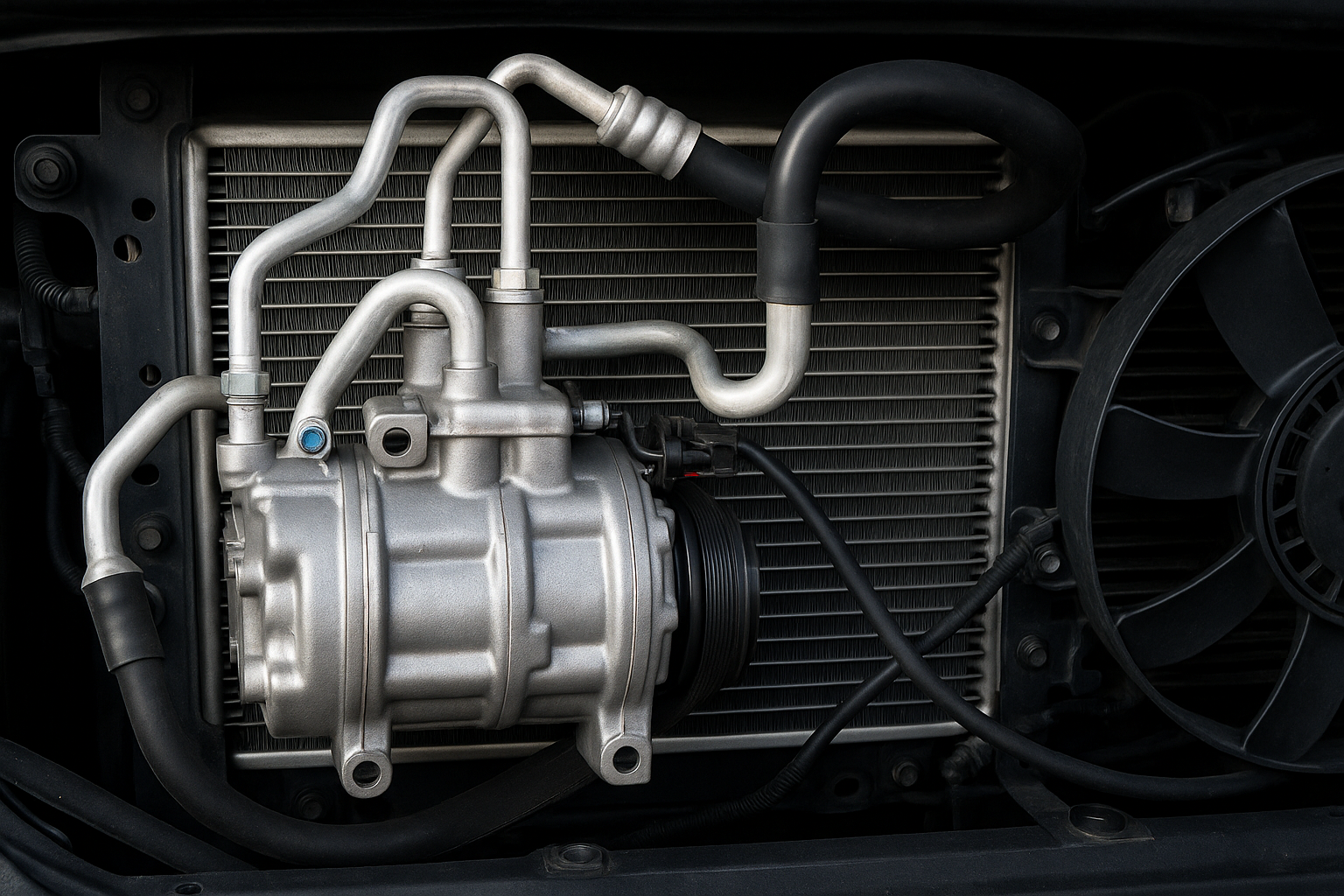
Air conditioning systems operate under pressure, both literally and mechanically. During cooler months, components sit dormant or run less frequently. Once warmer temperatures arrive, seals dry out, refrigerant levels reveal weaknesses, and worn parts begin to struggle under increased demand.
Humidity also plays a role. Moisture buildup can affect system efficiency, airflow, and internal components. When cooling loss starts, it feels gradual. Air may feel less crisp, take longer to cool, or fluctuate depending on driving conditions. These early changes are easy to dismiss, but they usually signal developing issues that maintenance can address early.
Common Causes of Cooling Loss Drivers Overlooked
Many drivers assume cooling loss means the system has simply aged. In reality, there are specific issues that tend to surface seasonally. Reduced refrigerant levels, restricted airflow, and minor leaks are among the most common contributors. These problems begin quietly and worsen as outdoor temperatures climb.
Electrical components and sensors can also drift out of range over time. When they do, the system may cycle incorrectly or fail to regulate temperature consistently. Learning how air conditioning systems respond to seasonal stress helps drivers understand why attention before peak heat matters, especially when paired with insights like those shared in this discussion on auto AC performance issues from an earlier resource.
What Preventive AC Maintenance Actually Addresses
Preventive maintenance focuses on system balance, not just cold air output. The goal is to ensure that airflow, pressure, lubrication, and electrical controls work together as temperatures rise. This type of care reduces strain on major components and helps the system respond smoothly as demand increases.
Maintenance also protects comfort during longer drives and heavy traffic. When airflow remains steady and cooling cycles properly, drivers avoid the fatigue and distraction that come from inconsistent cabin temperatures. Addressing these factors early keeps performance predictable through the most demanding months.
Key Areas Checked During Seasonal AC Care
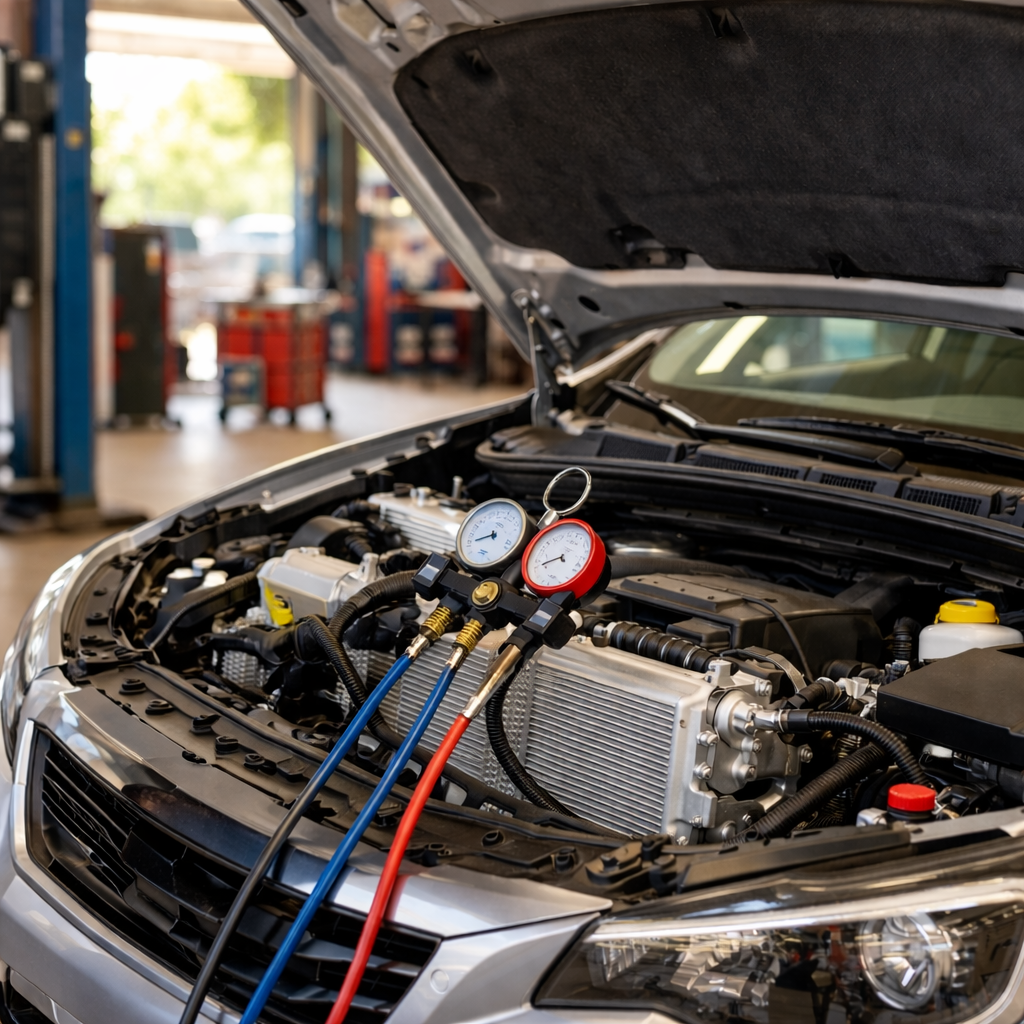
Proper maintenance looks beyond surface symptoms and focuses on how the system operates as a whole. During seasonal checks, attention is given to areas that commonly contribute to cooling loss.
- Refrigerant condition and balance
- Airflow through vents and filters
- System pressure stability
- Electrical connections and controls
These checks work together to prevent minor issues from escalating when temperatures peak. When needed, targeted solutions such as professional air conditioning repair services help restore proper cooling before comfort is compromised.
How Maintenance Protects Long-Term System Health
Air conditioning systems are designed to last, but only when stress is managed correctly. Running a struggling system forces components to work harder than intended, which accelerates wear. Preventive maintenance reduces that strain by ensuring everything operates within proper ranges.
Consistent care also improves overall driving comfort. Even temperature distribution, reduced noise, and quicker cooling response all contribute to a calmer driving experience. These benefits extend beyond summer, helping systems transition smoothly back into lighter use as seasons change again.
Timing Matters More Than Most Drivers Realize
Seasonal maintenance is most effective before cooling loss becomes noticeable. Once performance drops significantly, repairs become more involved. Addressing system health early helps drivers avoid last-minute issues during heat waves when schedules are tight and demand is high.
Proactive care also supports confidence. Drivers who know their system has been evaluated and balanced can focus on the road instead of wondering whether cool air will last through the next commute or road trip.
A Smarter Way to Stay Comfortable Year-Round
Preventing seasonal cooling loss is about awareness and preparation, not guesswork. Understanding how systems respond to changing conditions allows drivers to make informed decisions that protect comfort and reliability. When maintenance becomes part of a seasonal routine, unexpected breakdowns become far less common.
This approach reflects how we support drivers through every stage of vehicle ownership. Learning more about our philosophy and commitment to care shows why thoughtful maintenance matters. If you want steady cooling performance through changing seasons, partnering with Schafer’s Auto Center helps ensure your air conditioning system stays ready when you need it most, including when drivers search for Philadelphia auto repair shops.