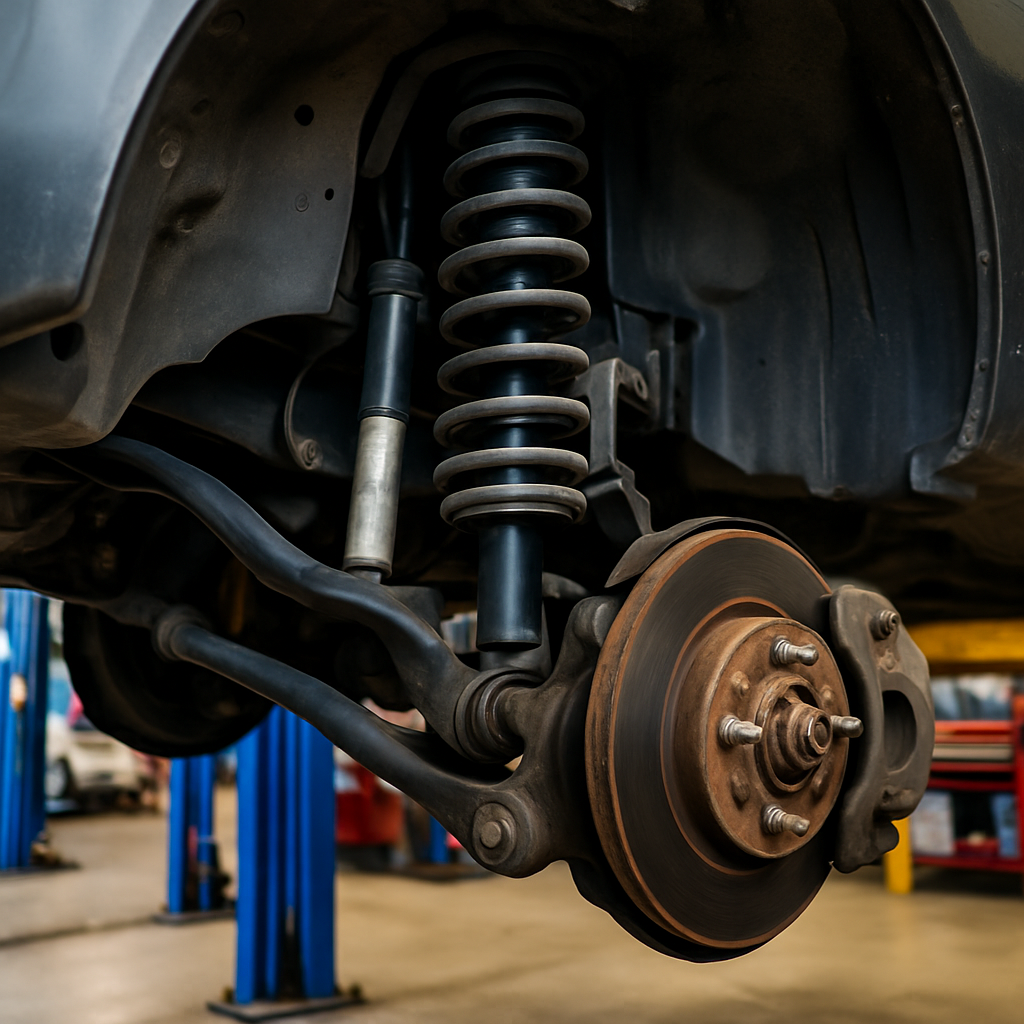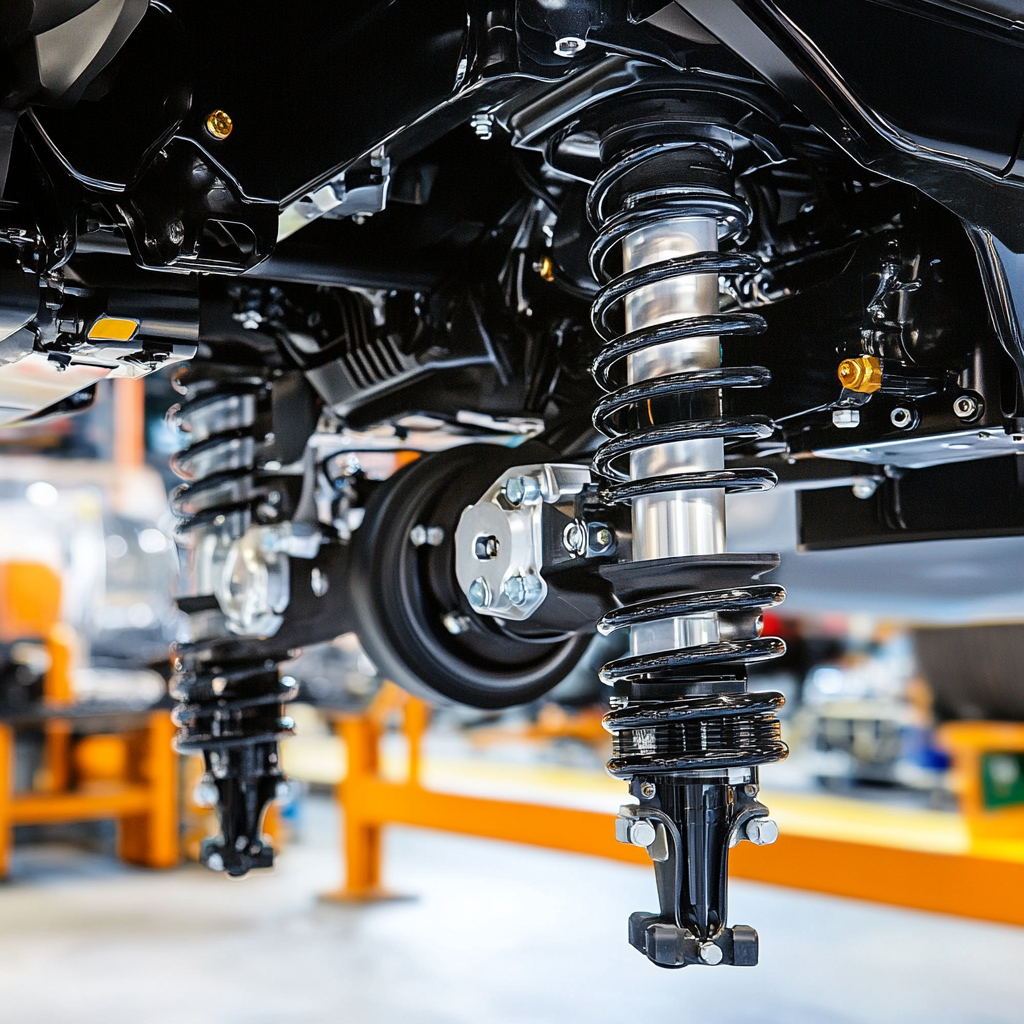
Precise steering response is essential for safe, predictable driving. When control feels loose, delayed, or inconsistent, it affects confidence behind the wheel. Many drivers seeking answers turn to Philadelphia, PA auto services when steering no longer feels as responsive as it should. These changes usually reflect underlying issues within the steering system rather than surface-level concerns.
A steering system is made up of interconnected mechanical and hydraulic components that translate driver input into vehicle direction. When each part functions correctly, the vehicle responds smoothly and accurately. When wear or imbalance develops, control begins to degrade, sometimes gradually, sometimes suddenly. Understanding how steering systems operate helps drivers recognize when intervention is necessary.
How Steering Components Work Together
Steering control depends on a coordinated system that includes the steering wheel, column, rack and pinion or steering box, tie rods, and power assist mechanisms. Each component plays a role in translating motion from the driver to the wheels. If one part begins to wear or loosen, the system compensates, which can reduce precision.
As components age, small amounts of play develop in joints and connections. These changes may feel subtle at first, but they reduce responsiveness and accuracy over time. Maintaining proper alignment and component integrity supports consistent handling and smoother driving.
Signs That Steering Control Is Compromised
Steering issues rarely appear without warning. Most vehicles provide feedback long before control becomes unreliable. Drivers may notice increased steering effort, delayed response, or vibration during turns. These symptoms indicate that the system is no longer operating within ideal parameters.
Understanding early warning signs helps drivers avoid larger system failures. Steering-related behaviors explained through steering warning signs often point to wear in joints, bushings, or power assist components that require professional attention.
The Role of Power Steering Systems
Modern vehicles rely on power steering systems to reduce effort and improve control. These systems may be hydraulic, electric, or a combination of both. When power steering components degrade, steering can feel heavy, inconsistent, or unresponsive.
Fluid leaks, pump wear, or electronic faults can all interfere with assist functionality. Reduced assist forces the driver to compensate manually, increasing fatigue and reducing reaction time. Professional steering system service helps restore proper assist levels and ensures components work together as designed.
Common Steering Questions Drivers Ask
What causes loose steering?
Loose steering typically results from worn tie rods, ball joints, or steering rack components.
Is steering vibration serious?
Vibration can signal alignment issues, worn parts, or uneven tire wear that affects control.
Does steering affect tire wear?
Yes. Poor steering geometry causes uneven tire contact, accelerating tread wear.
Can steering issues develop gradually?
Yes. Many steering problems progress slowly, making early detection important.
Why Steering Precision Supports Long-Term Safety
Steering systems influence more than turning response. They affect lane stability, braking control, and overall vehicle balance. When steering input translates accurately to wheel movement, drivers maintain better control during sudden maneuvers or emergency situations.
Ignoring steering concerns allows wear to spread to related components, including suspension and tires. Proactive evaluation helps preserve system integrity and reduces the likelihood of sudden handling changes that compromise safety.
Maintaining Control Through Professional Evaluation
Routine inspections play a key role in maintaining steering reliability. Technicians assess component wear, fluid condition, electronic response, and alignment to identify developing issues early. Accurate diagnostics prevent guesswork and help ensure repairs address the true source of reduced control.
At Schafer’s Auto Center, we approach steering concerns with a system-wide perspective. Understanding our service philosophy highlights why precise steering diagnostics matter for long-term reliability. Addressing steering system health early helps maintain confident handling and dependable control when relying on professional Philadelphia, PA auto services.