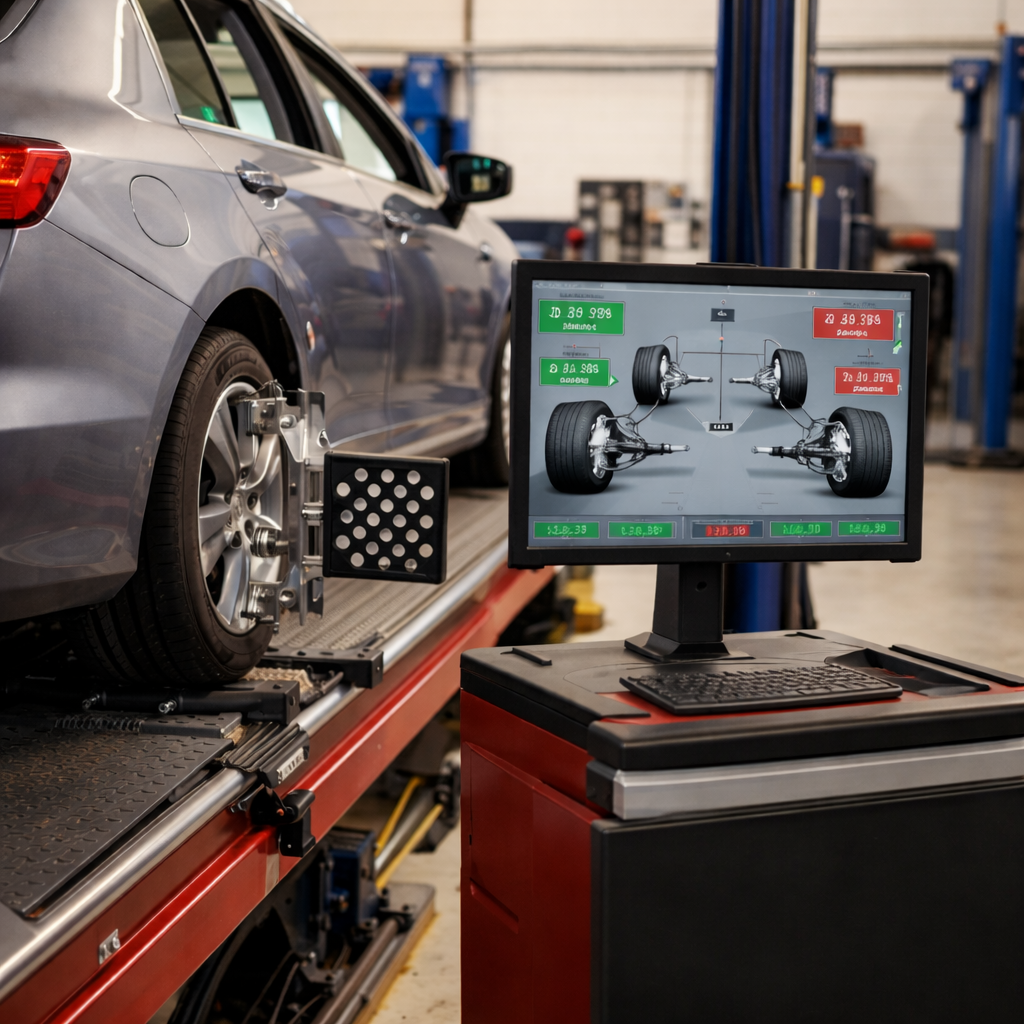
A vehicle that pulls to one side or feels unstable on the road is sending a clear message that something is off. Many drivers searching for answers turn to a Philadelphia, PA auto repair shop when steering no longer feels smooth or predictable. Wheel alignment plays a major role in how a vehicle handles, how tires wear, and how confidently drivers stay in control.
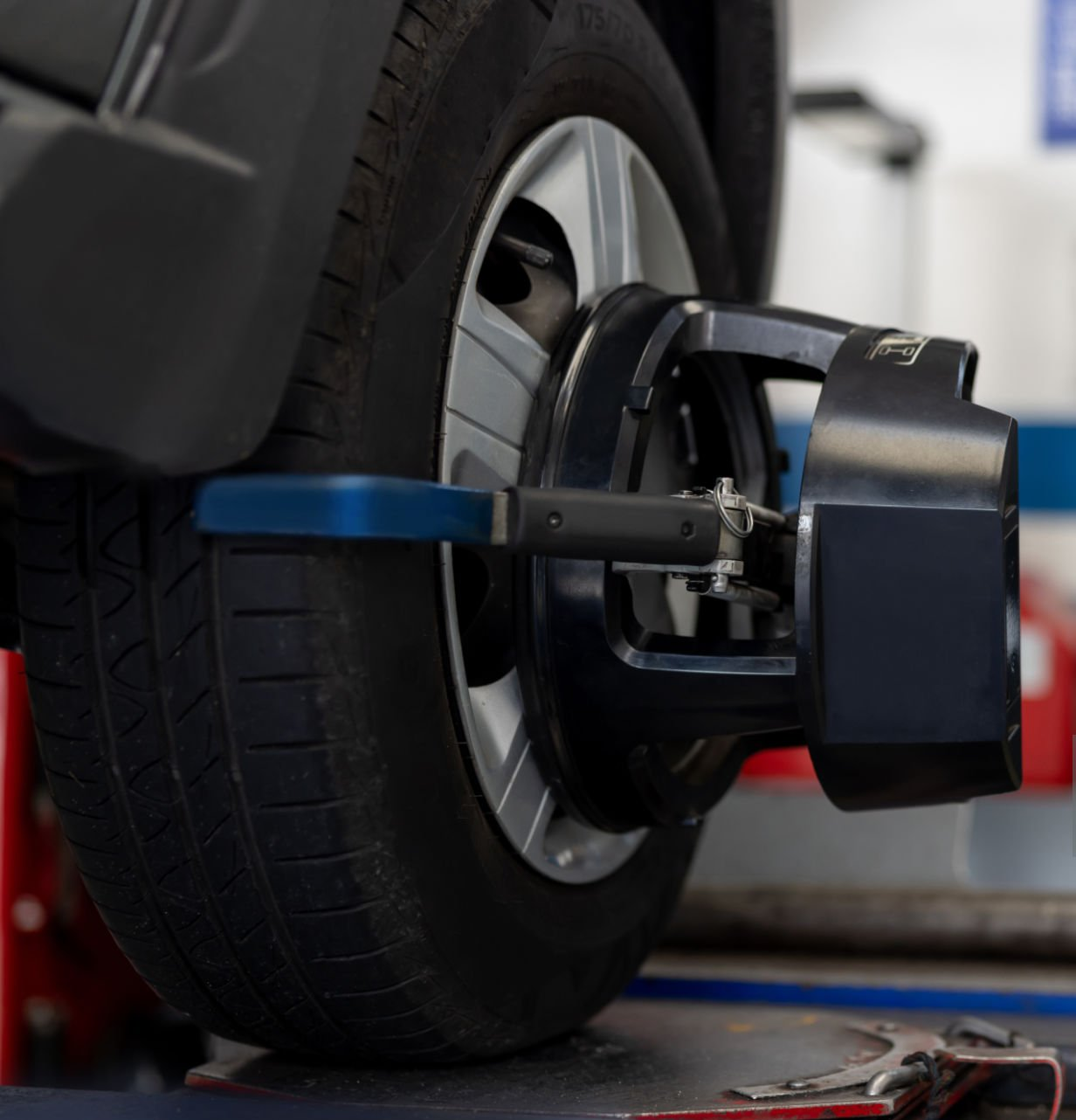
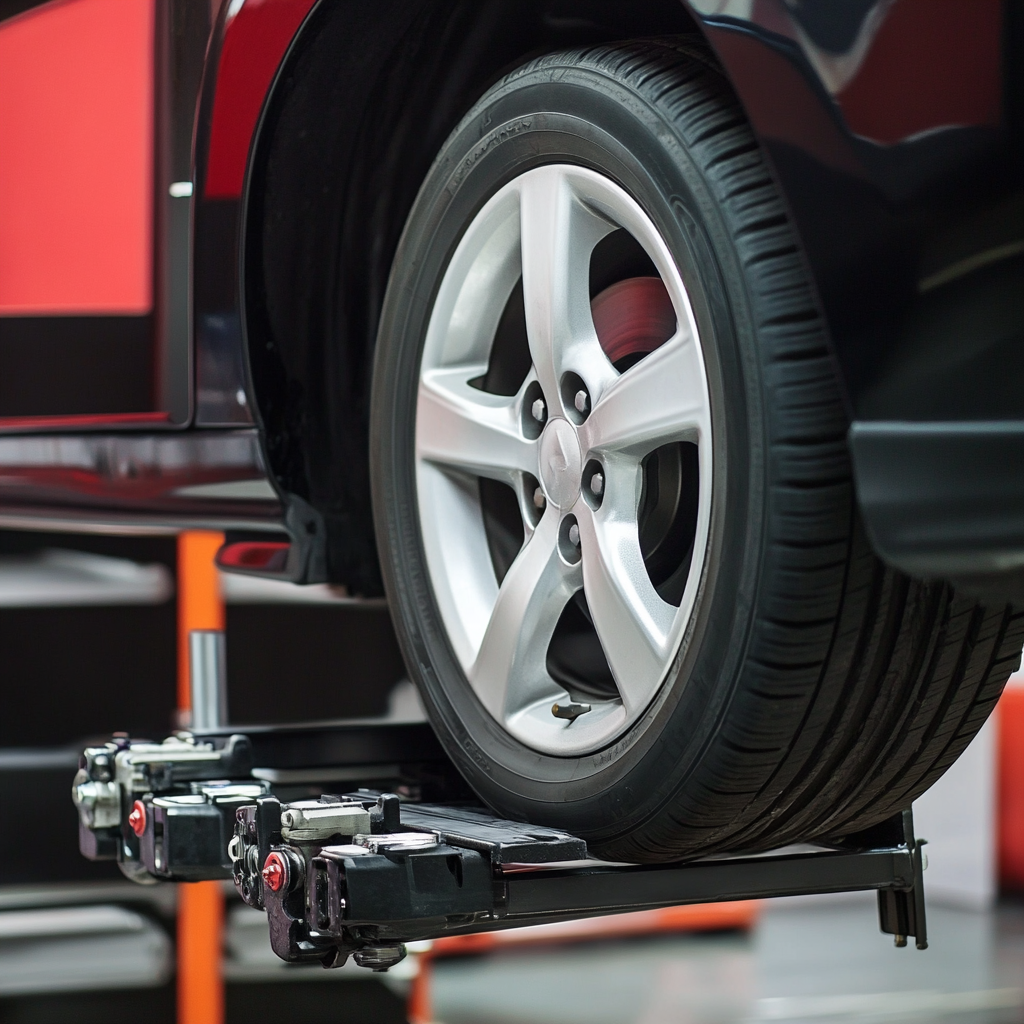
Wheel alignment refers to how the tires are positioned in relation to the road and each other. When angles drift outside manufacturer specifications, even slightly, the vehicle compensates in ways that affect comfort and safety. Balanced alignment helps maintain proper contact with the road, which supports stable handling and consistent tire performance.
How Misalignment Develops Over Time
Alignment issues rarely appear overnight. Daily driving conditions gradually shift suspension and steering components. Potholes, uneven pavement, curb contact, and normal wear all contribute to changes in alignment angles. As these angles move out of range, the vehicle begins to respond differently to steering input.
Drivers may notice the steering wheel no longer centers naturally or that the vehicle drifts when driving straight. These changes increase driver effort and reduce overall confidence behind the wheel. Addressing alignment early helps prevent unnecessary strain on suspension parts and steering components.
Why Tire Wear Patterns Matter
Tires provide valuable clues about alignment health. Uneven tread wear along the inside or outside edges indicates that the wheels are not meeting the road evenly. Cupping, feathering, or rapid wear on one side signals that alignment angles need correction.
Understanding what tire wear reveals about vehicle condition helps drivers make informed decisions. Many alignment concerns tie directly into long-term tire care, especially when reviewing signs explained through tire wear patterns that indicate alignment imbalance.
The Impact on Handling and Fuel Efficiency
Proper alignment ensures that all four tires work together as designed. When wheels are aligned correctly, steering input feels more responsive, and the vehicle tracks straight with minimal correction. Misalignment forces tires to drag slightly, which increases rolling resistance.
That resistance affects more than steering feel. It places added stress on tires and suspension parts while reducing overall efficiency. Professional wheel alignment service restores correct angles, helping the vehicle roll smoothly and predictably.
Common Questions Drivers Ask About Alignment
How do I know if my vehicle needs alignment?
Warning signs include pulling to one side, uneven tire wear, or a steering wheel that feels off-center.
Can alignment affect new tires?
Yes. Installing new tires without correcting alignment can shorten tire life significantly.
Does alignment fix steering vibration?
Vibration may relate to balance or suspension, but alignment plays a role in overall stability.
How long does alignment correction take?
Time varies by vehicle and condition, but correction is typically completed during a standard service visit.
Why Consistent Alignment Supports Long-Term Performance
Alignment supports more than immediate handling comfort. Balanced wheels help protect suspension components, steering systems, and tires from unnecessary wear. Over time, maintaining proper alignment contributes to smoother driving and predictable control.
At Schafer’s Auto Center, we focus on accurate measurements and precise adjustments. Learning more about our service approach can help drivers understand how alignment fits into overall vehicle care. When steering feels steady and tire wear remains even, driving becomes more controlled and dependable, which is exactly what drivers expect from a trusted Philadelphia, PA auto repair shop.