When cool air suddenly disappears and warm air takes its place, drivers usually start looking for answers fast. Many people turn to Philadelphia auto repair shops when this happens because air conditioning problems tend to signal something deeper than a temporary inconvenience. A system designed to regulate temperature relies on balance, and once that balance is disrupted, comfort drops quickly and driving conditions change.
Vehicle air conditioning systems operate under pressure and precision. Refrigerant flow, electrical signals, airflow direction, and mechanical engagement must all work together seamlessly. When one component falls out of sync, the entire system reacts. Warm air from the vents is not random; it is feedback from the vehicle that something is no longer functioning as intended.
Refrigerant Loss Changes Cooling Performance
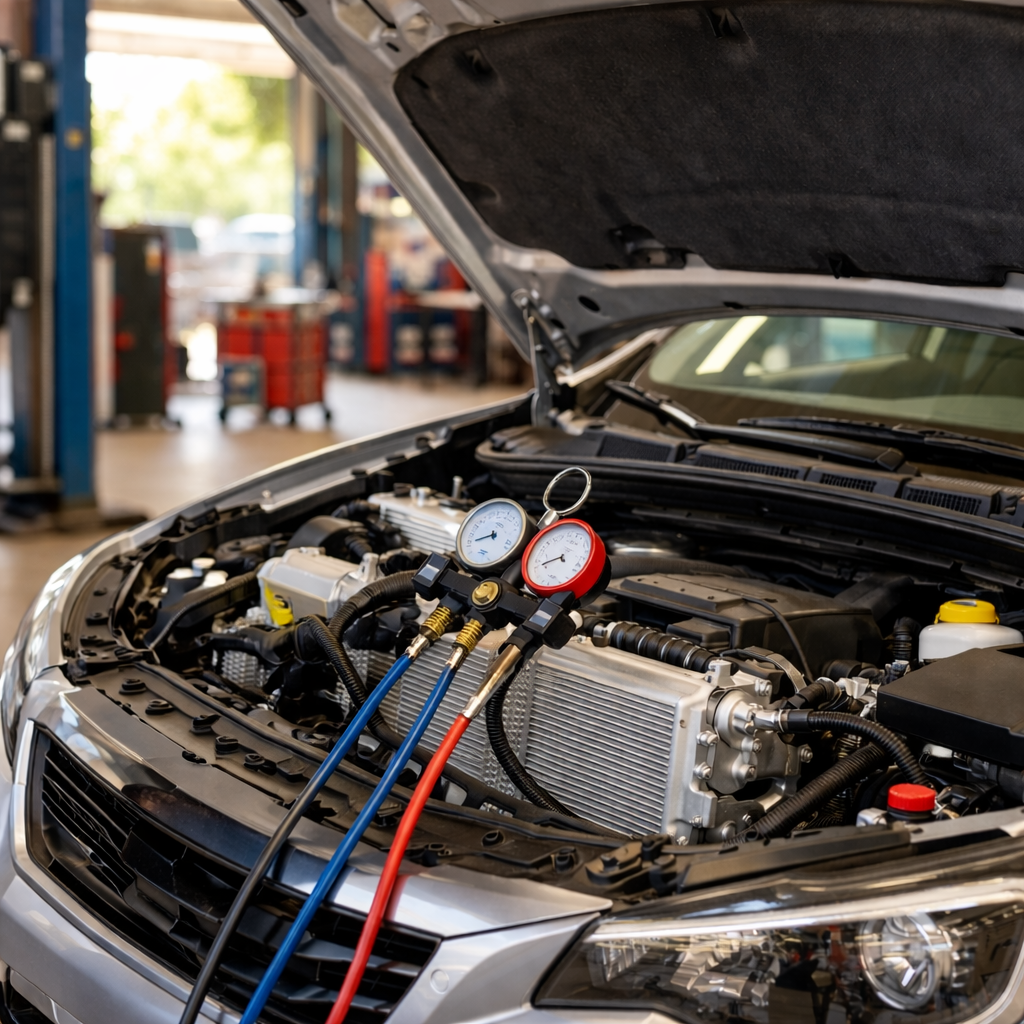
Refrigerant is the substance responsible for removing heat from inside the cabin. It cycles through the system, absorbing heat and releasing it outside the vehicle. When levels decline due to small leaks in seals, hoses, or connection points, the system loses its ability to regulate temperature effectively.
Drivers may notice cooling that feels weaker than normal or air that starts cool and then gradually warms during longer drives. This pattern points to pressure imbalance inside the system. As pressure drops, the air conditioner works harder, which can place additional stress on the compressor and related components. Left unresolved, what begins as reduced comfort can evolve into broader system strain.
Electrical Signals Control System Engagement
Modern air conditioning systems rely heavily on electronic communication. Sensors monitor temperature, pressure, and system load, while control modules decide when cooling should activate and how intensely it should run. If a pressure switch fails, a temperature sensor misreads conditions, or wiring becomes compromised, the system may shut down cooling as a protective response.
These issues can be confusing for drivers because the air conditioner may appear functional one moment and ineffective the next. Understanding how electrical reliability affects system behavior helps clarify why professional evaluation matters, especially when considering long-term vehicle care and trusted service choices that prioritize accuracy over guesswork.
Mechanical Failures Can Halt Cooling Entirely
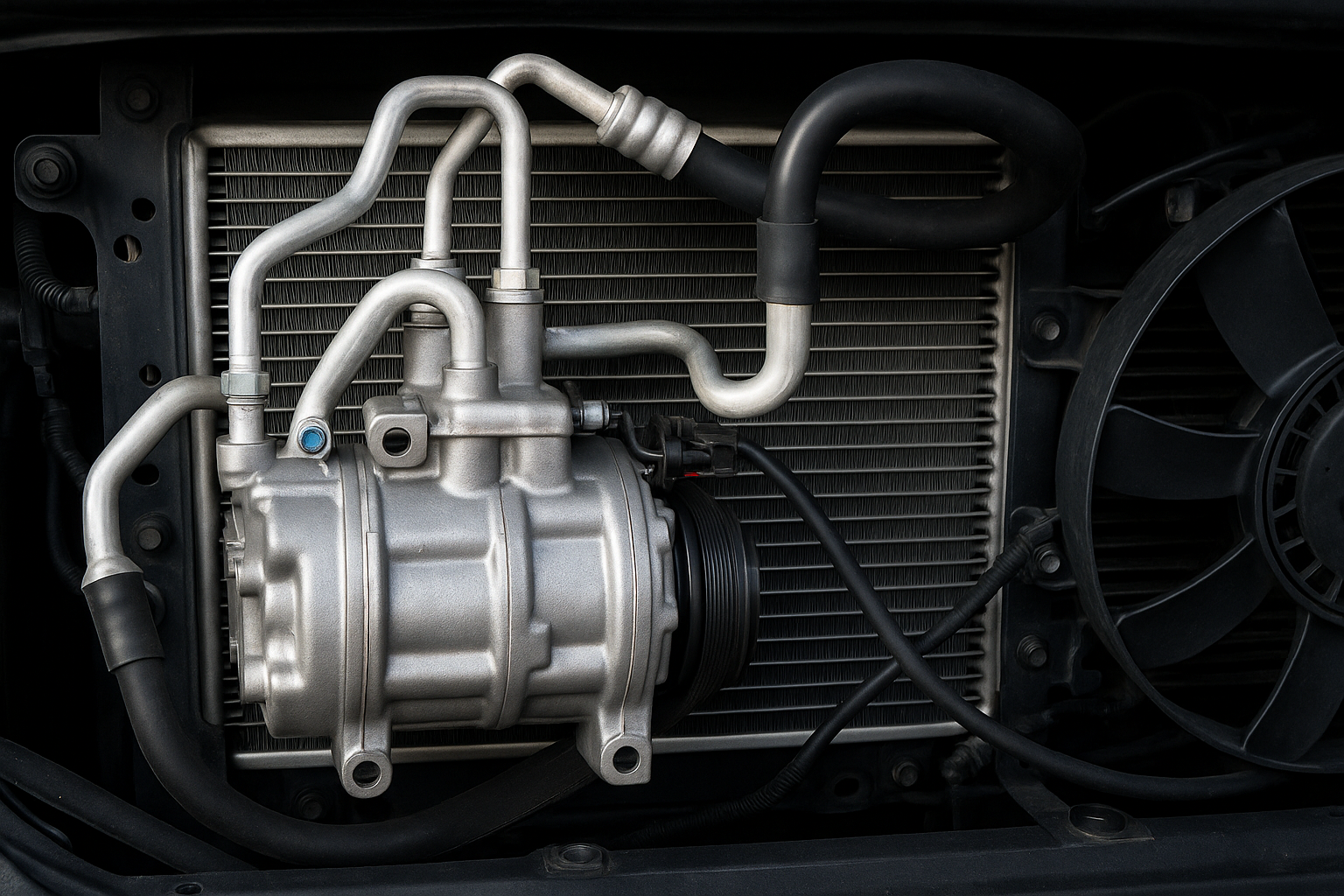
The compressor acts as the core of the air conditioning system. Its role is to circulate refrigerant and maintain the pressure required for heat exchange. When the compressor clutch fails to engage or internal components wear down, refrigerant movement stops, and cooling ceases.
Mechanical failure may present itself through inconsistent temperature output, unfamiliar noises when the system engages, or a complete loss of cold air. Addressing these symptoms through AC system repair restores proper pressure and protects surrounding components from unnecessary wear.
Key mechanical warning indicators include:
- Clicking or rattling sounds during operation
- Air temperature changing without adjustment
- Cooling loss after short driving periods
- Reduced airflow paired with warm air
Airflow Restrictions Inside the Cabin
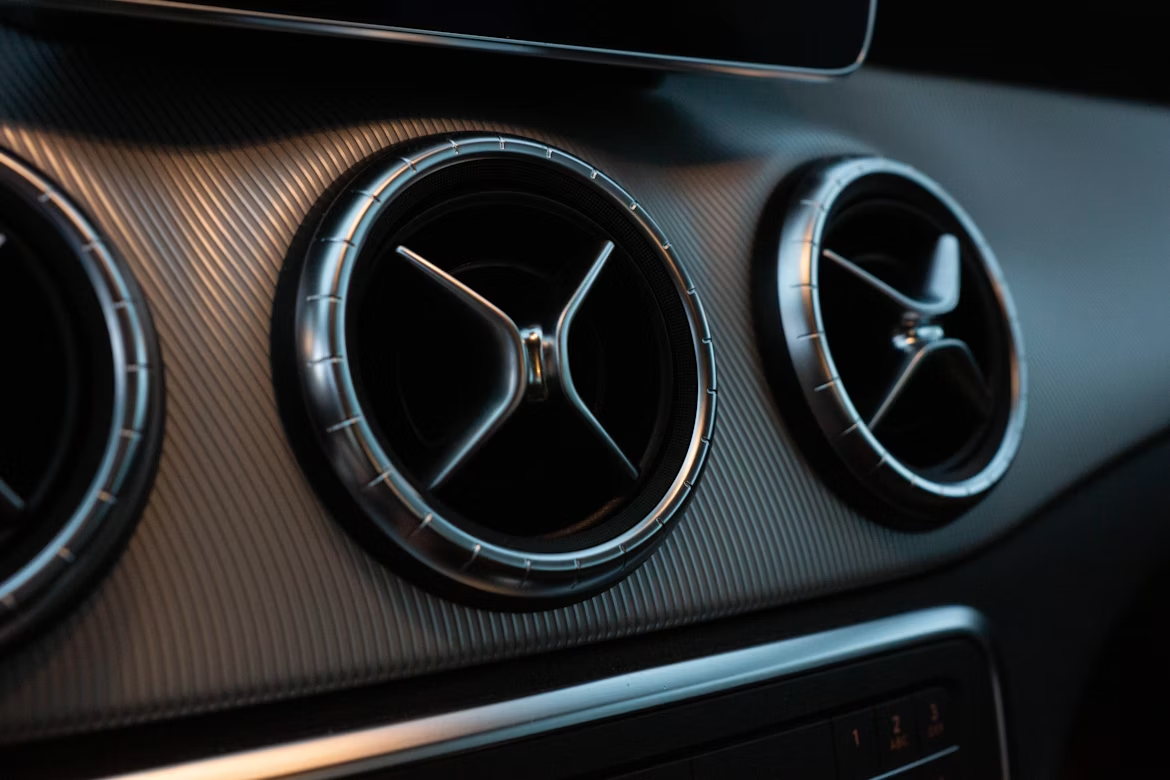
Cooling performance does not depend solely on refrigerant and mechanical operation. Airflow inside the cabin plays a major role in how effectively cooled air reaches passengers. Blend doors, actuators, and cabin filters work together to direct air through the vents at the right temperature.
When a blend door sticks or an actuator fails, cooled air may never reach the vents, even though the system is technically producing cold air. Clogged cabin filters can also restrict airflow, making it feel as though the system is blowing warm air when the issue is actually delivery-related. Uneven temperatures between the driver and passenger sides are common signs that airflow control is compromised.
Why Prompt Evaluation Matters
Warm air from the vents rarely improves without intervention. Heat buildup inside the system, added load on key components, and declining efficiency all contribute to greater wear over time. Ignoring these signs increases the likelihood of more extensive issues that affect both comfort and reliability.
At Schafer’s Auto Center, we focus on identifying the specific failure point rather than relying on assumptions. Understanding how our repair team approaches system diagnostics can make it easier to decide when professional evaluation is the right step. Addressing air conditioning concerns early helps maintain consistent comfort and supports long-term vehicle performance, especially when searching for dependable Philadelphia auto repair shops.