When drivers search for Philadelphia, PA auto services, they are thinking beyond immediate repairs. Many are looking for long-term reliability, safety, and confidence that their vehicle meets current standards. One area seeing rapid change is vehicle inspection methodology. As vehicles become more advanced, the way inspections are performed continues to evolve to keep pace with technology, safety expectations, and regulatory requirements.
Vehicle inspections are no longer limited to visual checks and basic measurements. Modern vehicles rely on integrated systems, sensors, and software that require a more precise and informed approach. Understanding where inspections are heading helps drivers appreciate why staying current with inspection practices matters more than ever.
How Technology Is Redefining Inspections
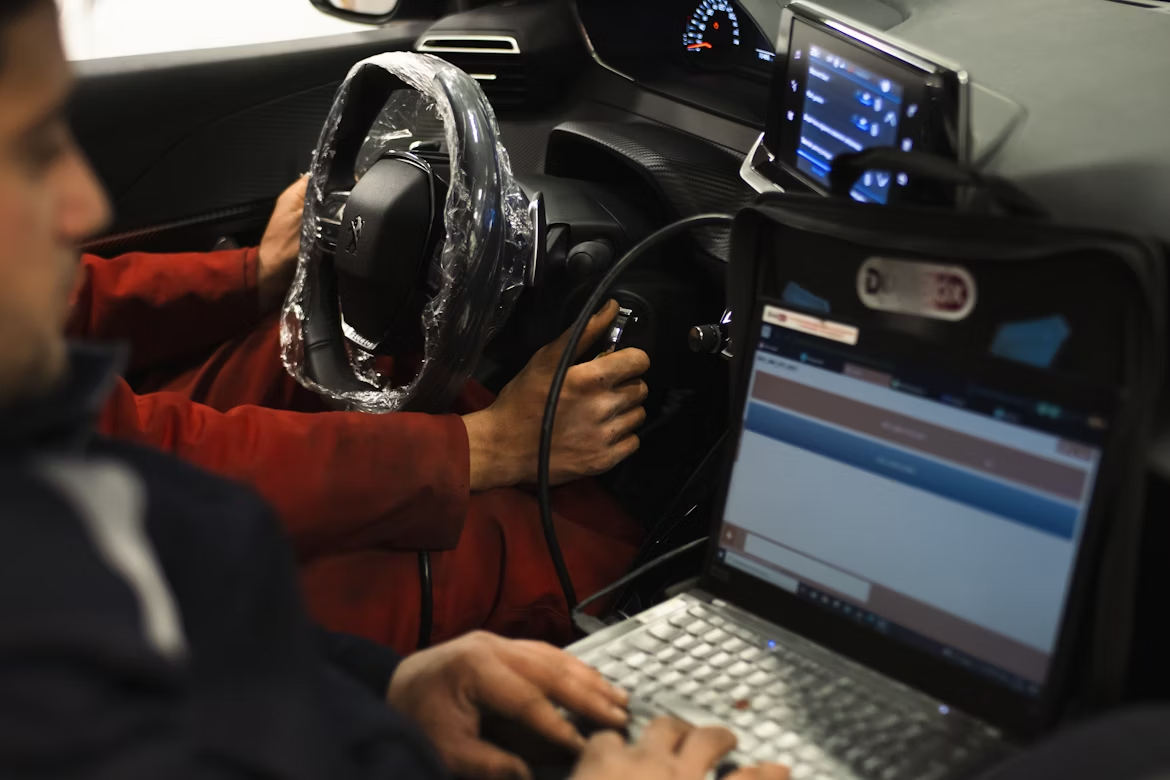
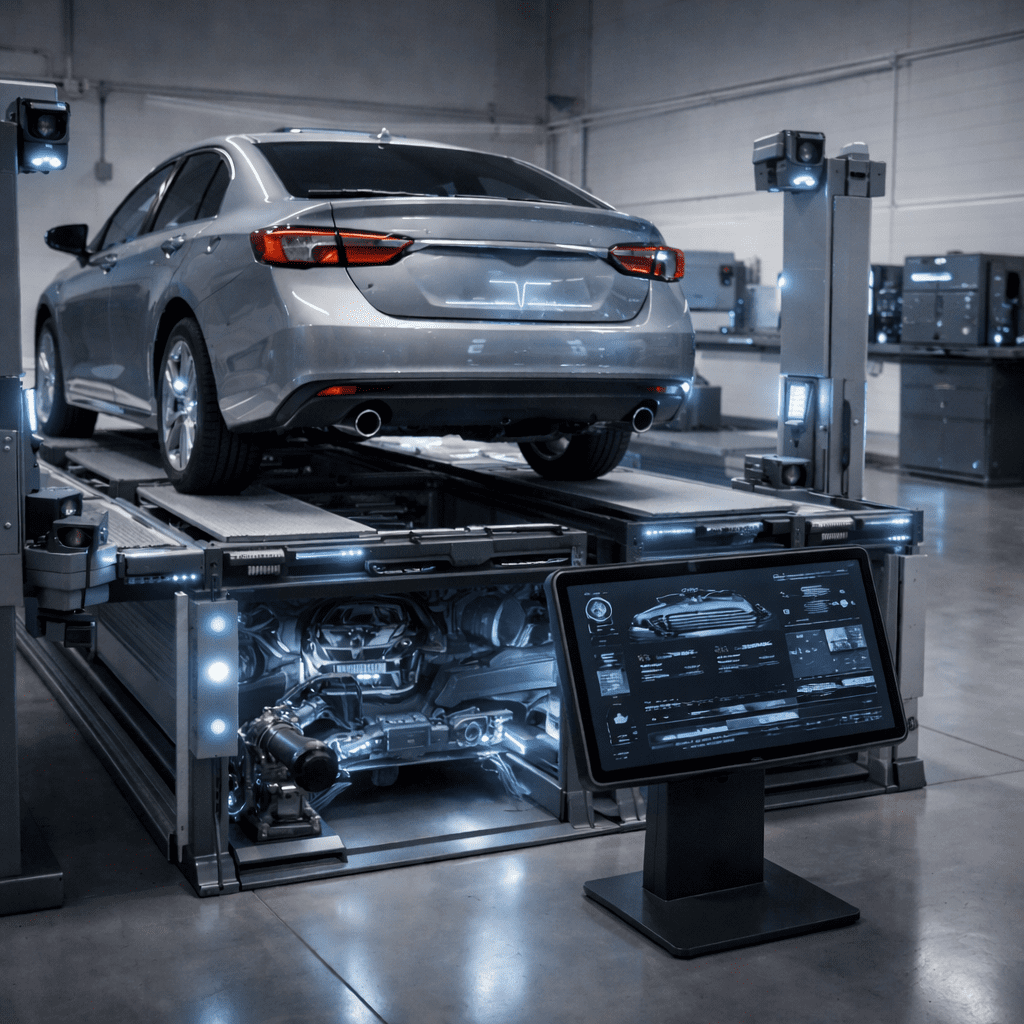
Advancements in vehicle design have reshaped what inspections need to evaluate. Electronic systems now play a major role in safety, emissions control, and performance monitoring. As a result, inspections increasingly rely on diagnostic data alongside traditional physical assessments.
Modern inspection tools can identify issues that are not immediately visible. Sensor data, onboard diagnostics, and system alerts provide deeper insight into vehicle health. This shift allows potential problems to be addressed earlier, helping drivers avoid unexpected issues that could affect safety or compliance.
The Growing Role of Data and Diagnostics
Data-driven inspections are becoming standard as vehicles generate more operational information. Diagnostic systems help inspectors evaluate performance trends rather than isolated symptoms. This approach improves accuracy and reduces guesswork.
As vehicles age, data history becomes especially valuable. It allows professionals to see patterns that indicate gradual wear or emerging concerns. Topics like those discussed in this resource on vehicle inspection processes show how structured evaluations continue to gain importance as systems become more complex.
Why Future Inspection Methods Matter to Drivers
Future inspection methodologies are designed to protect drivers, passengers, and everyone on the road. By identifying issues earlier, inspections help maintain consistent performance and safety. This proactive approach reduces the likelihood of sudden failures and improves overall driving confidence.
Enhanced inspections also support smoother ownership experiences. Drivers benefit from clearer explanations, better documentation, and a stronger understanding of their vehicle’s condition. As inspection standards evolve, transparency and education become central parts of the process.
Key Areas Future Inspections Will Focus On
As inspection methods advance, certain areas receive increased attention due to their impact on safety and compliance.
- Advanced driver assistance systems
- Emissions and efficiency monitoring
- Sensor accuracy and calibration
- Structural and safety component integrity
These focus areas reflect how vehicles are changing and why inspections must adapt accordingly. Services such as professional state inspection services help ensure vehicles meet both current and emerging expectations.
Balancing Innovation with Practical Oversight
While technology enhances inspections, human expertise remains essential. Trained professionals interpret diagnostic results, verify system behavior, and apply practical judgment. The combination of advanced tools and experienced oversight ensures inspections remain both accurate and meaningful.
This balance also helps drivers feel informed rather than overwhelmed. Clear communication about findings and recommendations allows drivers to make confident decisions about vehicle care.
Preparing for What Comes Next
As inspection methodologies continue to evolve, preparation becomes key. Staying informed about changes helps drivers avoid surprises and maintain compliance without stress. Regular evaluations ensure systems remain calibrated and operating as intended.
Being proactive also supports long-term value. Vehicles that receive consistent, informed inspections tend to perform more reliably and maintain stronger safety records over time.
Looking Ahead with Confidence
Future trends in vehicle inspection methodologies point toward greater precision, transparency, and safety. As vehicles integrate more technology, inspections adapt to protect drivers and support dependable performance.
Learning more about our commitment to thoughtful service by contacting our team highlights why attention to detail matters. At Schafer’s Auto Center, staying ahead of inspection advancements helps drivers feel confident choosing reliable Philadelphia, PA auto services that align with modern vehicle needs.