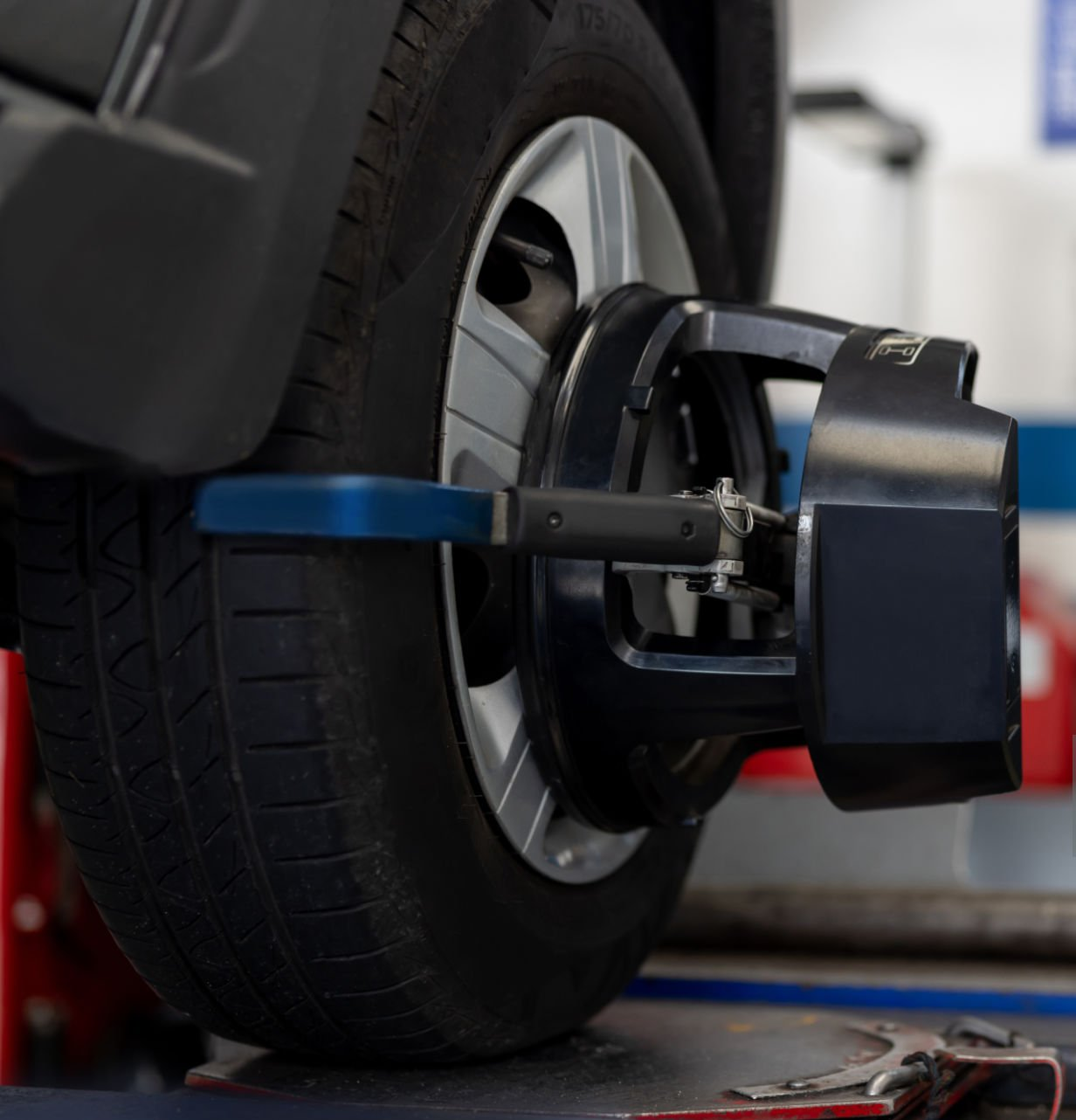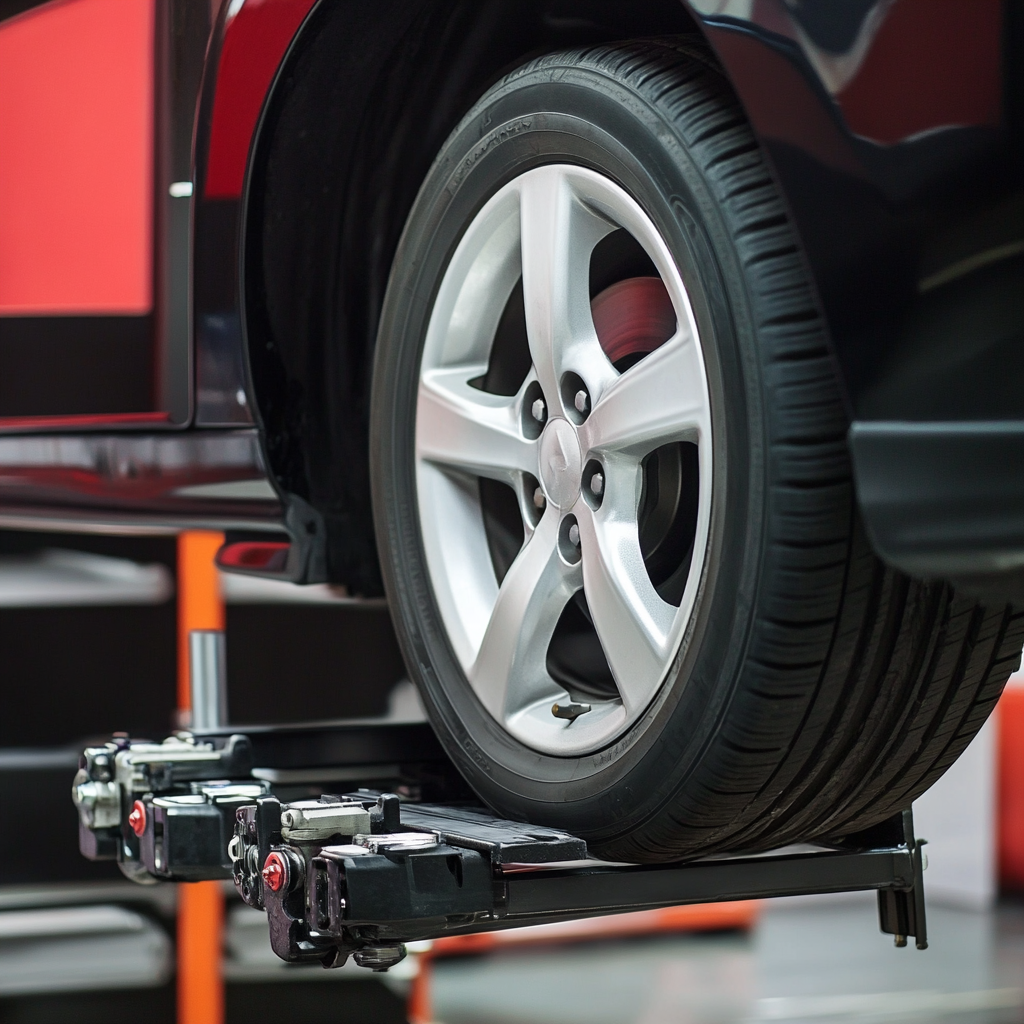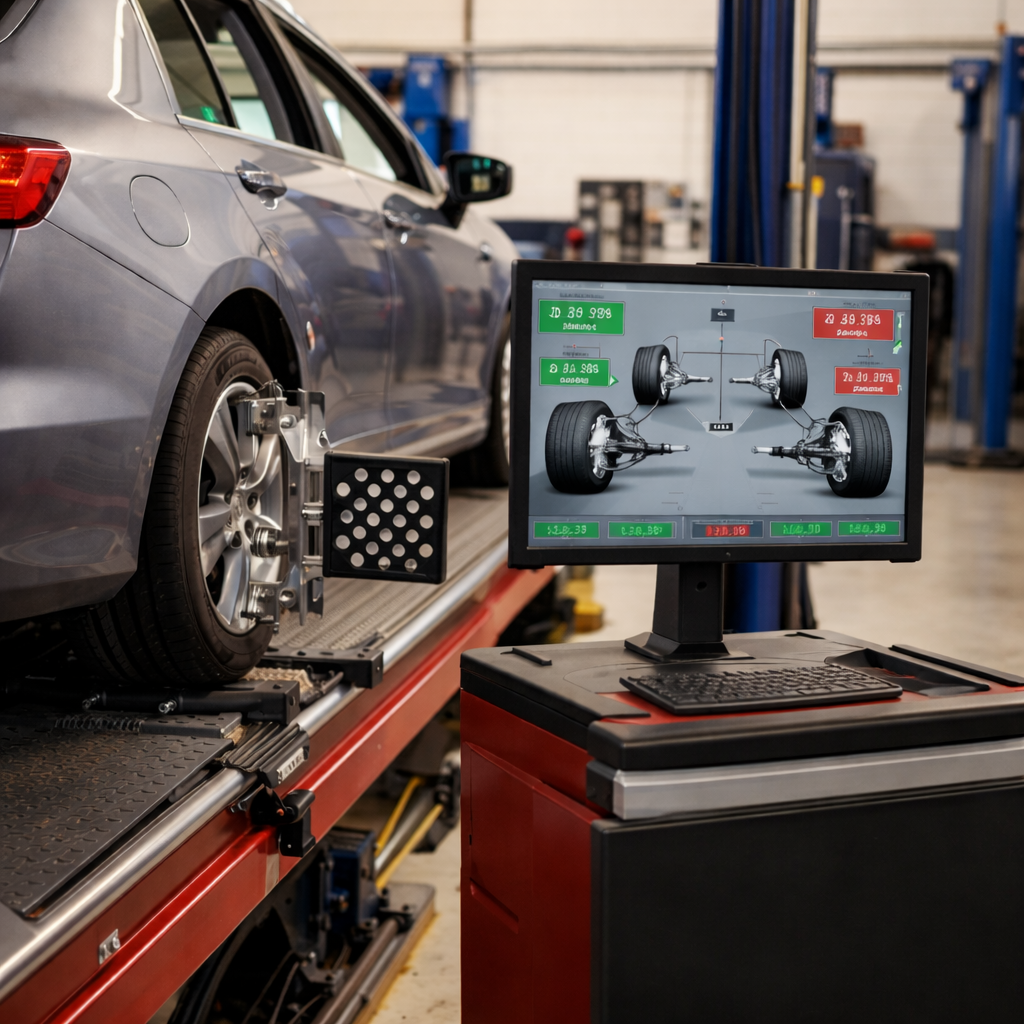
When drivers begin searching for a Philadelphia, PA auto repair shop, safety is the unspoken concern behind that search. Steering that feels off, a vehicle drifting slightly, or uneven tire behavior can all point to wheel angle issues that quietly develop over time. These problems rarely appear suddenly. Instead, they build gradually as everyday driving conditions affect suspension and steering components.
Wheel angle accuracy plays a critical role in how a vehicle responds on the road. Even minor deviations can impact handling, braking confidence, and overall control. Maintaining proper alignment is not just about tire wear. It is about ensuring the vehicle moves predictably and safely in situations that demand quick reactions.
How Wheel Angle Accuracy Affects Everyday Safety
Wheel angles determine how tires meet the road. When they are set correctly, tires maintain proper contact during acceleration, turning, and braking. This balance supports stable handling and helps the vehicle track straight without constant steering correction.
As angles shift out of range, drivers may notice subtle changes. The steering wheel may feel slightly off-center, or the vehicle may pull gently to one side. Over time, these changes increase driver fatigue and reduce confidence, especially at highway speeds or during sudden maneuvers. Understanding the importance of alignment accuracy helps drivers recognize why even mild symptoms deserve attention.
Common Causes of Wheel Angle Changes
Wheel angle misalignment results from normal driving conditions rather than a single event. Potholes, curb contact, uneven road surfaces, and gradual suspension wear all contribute. Even careful drivers experience alignment drift as components settle and age.
Seasonal changes can also play a role. Temperature shifts affect suspension materials and road conditions, increasing stress on alignment settings. Many drivers are surprised to learn how quickly accuracy can change without obvious warning signs. Insights like those shared in this discussion about wheel alignment warning signs help explain why proactive checks matter.
Why Accuracy Matters Beyond Tire Wear
While uneven tire wear is a common result of misalignment, safety implications go deeper. Incorrect wheel angles affect braking stability, especially during emergency stops. Tires that do not meet the road evenly may lose grip faster under pressure.
Alignment accuracy also supports predictable cornering. When angles are correct, steering input translates smoothly into vehicle response. This predictability becomes essential in wet conditions, sudden lane changes, or tight turns. Maintaining proper angles helps drivers stay in control when conditions are less forgiving.
Key Signs Your Vehicle May Need Attention
Wheel angle issues communicate through small, consistent behaviors rather than dramatic failures. Paying attention to these signs allows drivers to act before safety is compromised.
- Vehicle pulls to one side
- Steering wheel feels off-center
- Uneven or rapid tire wear
- Reduced steering responsiveness
When these symptoms appear, professional wheel alignment services help restore balance and ensure angles are set to manufacturer specifications.
The Role of Alignment in Long-Term Vehicle Health
Maintaining proper wheel angles does more than improve immediate safety. It reduces strain on suspension components, steering systems, and tires. When alignment stays within range, parts wear evenly and function as designed.
This balance supports smoother driving and helps avoid compounding issues. Misalignment left unchecked can accelerate wear in areas drivers do not immediately notice. Regular evaluation protects both safety and long-term performance without guesswork.
When Alignment Checks Make the Most Sense
Alignment accuracy should be checked whenever driving behavior changes, tires are replaced, or suspension work is performed. It is also wise to evaluate angles after harsh road conditions or seasonal shifts that introduce new stressors.
Proactive checks help drivers avoid a gradual safety decline. Knowing the vehicle responds consistently builds confidence during daily commutes and longer trips alike.
A Safer Driving Experience Starts with Accuracy
Wheel angle accuracy is foundational to vehicle safety, even though it often goes unnoticed until problems arise. Addressing alignment proactively helps drivers maintain control, reduce fatigue, and drive with confidence across changing conditions.
This focus on safety reflects how we approach vehicle care as a whole. Learning more about our commitment to thoughtful service by meeting our team highlights why attention to detail matters Learning more about our commitment to thoughtful service through the meet our team page highlights why attention to detail matters. When safety and precision are priorities, Schafer’s Auto Center helps drivers maintain confidence on the road, especially when choosing a trusted Philadelphia, PA auto repair shop.